by Koh Teng Teng
Share
Share
by Koh Teng Teng
Share
Share
Recent trade performance data indicates sustained resilience in Singapore’s Non-Oil Domestic Exports (NODX), underpinned by robust international demand for high-value technology, industrial machinery, and specialized goods. As cross-border trade barriers continue to evolve globally, businesses operating out of Singapore are strategically optimizing their supply chains to capture economies of scale and maintain operational agility.
As a premier trade and logistics hub, Singapore connects key manufacturing markets across Asia-Pacific to global consumer nodes. To leverage this positioning, international trade executives must understand both the macroeconomic drivers of Singapore export growth and the statutory schemes available to streamline custom clearances.
Key Drivers of Singapore’s Export Expansion
According to Enterprise Singapore trade performance statistics, domestic trade expansion remains strongly tied to several high-growth industrial sectors:
- Electronics & Semiconductors: Accelerated global investment in artificial intelligence (AI) and digital infrastructure has driven double-digit demand for integrated circuits (ICs), microprocessors, and advanced electronics assembly.
- Specialized Industrial Machinery: High-precision manufacturing equipment and automated machinery continue to see steady export volume to major regional manufacturing bases in China, Taiwan, and the European Union.
- Petrochemicals & Advanced Materials: Refined chemicals and specialty polymer products remain foundational contributors to Singapore’s core export value.
Together, these core sectors make exports a primary engine of Singapore’s Gross Domestic Product (GDP), reinforcing the nation’s reputation as a reliable, high-tech supply chain nexus.
Singapore Government Initiatives Fostering International Trade
To reduce global transaction friction and accelerate cargo throughput, Singapore Customs maintains an integrated risk-management infrastructure known as the TradeFIRST assessment framework (Trade Facilitation & Integrated Risk-based System).
TradeFIRST offers a holistic assessment of an enterprise’s operational integrity, internal compliance policies, inventory controls, and security practices. Based on the evaluation outcome, businesses are assigned a TradeFIRST band ranging from Basic to Premium.
Evaluates corporate policy, inventory controls, security, and compliance
Standard →
Intermediate →
Enhanced →
Premium
Higher bands unlock key operational licences (e.g., ZGS, STS Bulk Permits)
Attaining a higher TradeFIRST band grants companies access to specific Singapore Customs schemes designed to optimize corporate cash flow and simplify customs formalities:
- Zero-GST Warehouse Scheme (ZGS): Allows approved businesses to store imported non-dutiable goods in licensed premises with Goods and Services Tax (GST) suspended until the goods are released into the domestic market. Goods cleared from a ZGS facility for re-export incur zero GST.
- Strategic Trade Scheme (STS) Bulk Permits: Designed for high-volume exporters handling strategic items or dual-use goods, enabling streamlined clearance under a single umbrella authorization.
To evaluate which framework aligns with your business model, review our comprehensive guide to Singapore Customs registration and licensing.
Maximizing Supply Chain Efficiency with Alder
Navigating customs regulations, maintaining internal audit readiness, and applying for statutory trade schemes requires active compliance management. Alder assists regional and international traders with tailored advisory services to maximize operational efficiency and enhance trade facilitation in Singapore:
- TradeFIRST Assessment & Banding Optimization: Pre-audit reviews to identify compliance gaps and help your organization attain higher TradeFIRST bands.
- Customs Licence & Scheme Application Support: End-to-end guidance through ZGS facility licensing, layout approvals, and STS Bulk Permit submissions.
- Internal Compliance Programmes (ICP): Structuring custom compliance protocols to ensure continuous regulatory adherence.
- Customs Procedures Training: Practical training sessions covering permit declarations, HS code classification, and valuation rules for operational teams.
Learn more about how Alder’s customs compliance and TradeFIRST consultancy services can streamline your cross-border operations in Singapore.
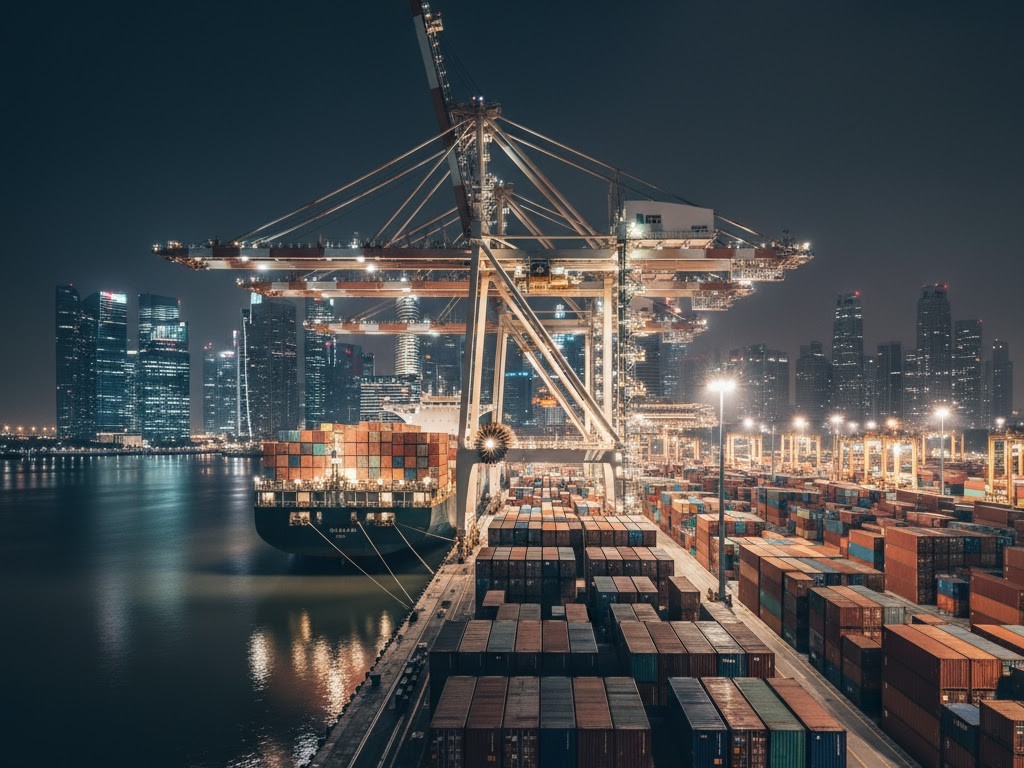
The strategic geographical location of Singapore at the crossroads of East and West contributes to its growth as a key trading hub. In order to facilitate trading business that is currently making significant contributions to the country’s economy, Singapore Customs has implemented various schemes and licences that meet different needs and requirements of traders.
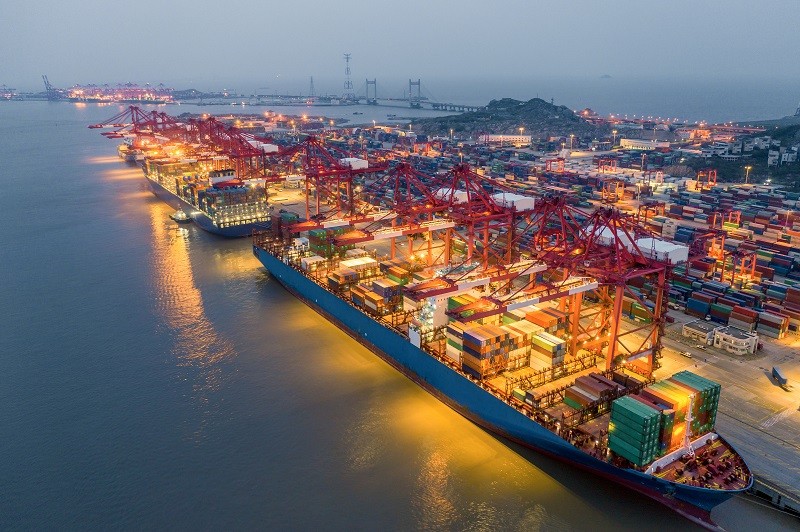
Singapore continues to strengthen its position as a global trading hub through initiatives that streamline export processes and boost trade competitiveness. With steady growth in non-oil domestic exports and strong demand for electronics and petrochemicals, government frameworks like TradeFIRST help businesses reduce costs, improve efficiency, and expand internationally.

To curb the proliferation of weapons of mass destruction (WMD), Singapore enforces strict export controls under the Strategic Goods (Control) Act (SGCA). The Act regulates the transfer, export, and brokering of strategic and dual-use goods to safeguard the global supply chain. In a recent enforcement case published by Singapore Customs, a company and its director were fined over S$250,000 for exporting strategic goods without a permit and submitting false declarations. Businesses are urged to implement strong internal controls and accurate trade declarations to ensure compliance and avoid severe penalties.

About the Author: Koh Teng Teng

The strategic geographical location of Singapore at the crossroads of East and West contributes to its growth as a key trading hub. In order to facilitate trading business that is currently making significant contributions to the country’s economy, Singapore Customs has implemented various schemes and licences that meet different needs and requirements of traders.
To curb the proliferation of weapons of mass destruction (WMD), Singapore enforces strict export controls under the Strategic Goods (Control) Act (SGCA). The Act regulates the transfer, export, and brokering of strategic and dual-use goods to safeguard the global supply chain. In a recent enforcement case published by Singapore Customs, a company and its director were fined over S$250,000 for exporting strategic goods without a permit and submitting false declarations. Businesses are urged to implement strong internal controls and accurate trade declarations to ensure compliance and avoid severe penalties.