by Koh Teng Teng
Share
Share
by Koh Teng Teng
Share
Share
Singapore’s position as a global trading hub depends on an efficient and well-regulated trade environment. For businesses involved in importing, exporting, transhipping or handling controlled goods, trade compliance in Singapore is essential to ensuring that commercial activities meet regulatory requirements without creating unnecessary delays.
Singapore Customs uses a risk-based approach to regulate international trade while facilitating legitimate business activity. This includes requirements covering customs procedures, controlled goods, strategic goods and various customs schemes and licences.
What Is Trade Compliance in Singapore?
Trade compliance refers to the processes businesses put in place to ensure that their import, export and other trade activities comply with applicable laws, regulations and customs requirements.
In Singapore, businesses may need to consider requirements relating to customs declarations, permits, controlled goods, strategic goods, sanctions and record-keeping, depending on the nature of their activities.
Singapore Customs administers several key pieces of legislation, including the Customs Act, the Regulation of Imports and Exports Act and the Strategic Goods (Control) Act (SGCA). A strong compliance framework helps businesses meet these requirements while supporting the smooth movement of legitimate trade.
For businesses that need broader regulatory support, Alder’s Compliance Support can help strengthen internal compliance processes and documentation.
Why Is Trade Compliance Important?
Effective trade compliance helps businesses reduce regulatory risks while keeping their supply chains operating efficiently. Errors in customs declarations, missing permits or inadequate internal controls can result in delays, additional costs or enforcement action.
Businesses should therefore have clear processes for determining:
- Whether their goods are subject to specific controls or licensing requirements
- Whether a permit or registration is required before a transaction
- Whether the relevant product, destination or end-user creates additional compliance requirements
- What information must be provided to declaring agents
- How trade records and supporting documents should be maintained
Trade compliance is therefore not simply about obtaining a permit. It also involves having appropriate internal procedures, responsible personnel and controls that can be consistently applied across transactions.
Singapore’s Strategic Goods Controls
One important area of trade compliance in Singapore is the control of strategic goods and related technology.
Singapore Customs administers the SGCA, which regulates the transfer and brokering of strategic goods and related technologies. Strategic goods include military items as well as certain dual-use commercial goods that could potentially be adapted for harmful purposes.
The controls can apply to activities including:
- Export
- Transhipment
- Transit
- Intangible transfer of technology
- Brokering
Businesses should not assume that an item is outside Singapore’s regulatory framework simply because it is a commercial product. The Strategic Goods Control List should be reviewed to determine whether specific goods, software or technology are controlled.
Singapore Customs also applies a catch-all provision. This means certain goods or technology that are not specifically listed may still be subject to controls where they are intended, or likely, to be used in connection with weapons of mass destruction (WMD) activities.
Businesses can refer to the Singapore Customs Strategic Goods Control framework for the latest requirements.
Understanding Singapore Customs Permit Requirements
Depending on the transaction, businesses may need to obtain the appropriate permit or registration before transferring strategic goods or related technology.
Singapore Customs currently provides different routes under the Strategic Trade Scheme (STS), including:
- Individual Permits for specific transactions
- Bulk Permits for eligible businesses handling multiple approved transactions
- Intangible Transfer of Technology (ITT) Permits for certain transfers of controlled software or technology
- Brokering Registration for applicable strategic goods brokering activities
For businesses that regularly handle strategic goods, a Bulk Permit may help improve operational efficiency. A Bulk Permit provides a single approval for eligible transactions within its approved scope and is particularly suited to businesses with high transaction volumes or short fulfilment lead times.
However, obtaining a Bulk Permit requires businesses to meet specific requirements, including good compliance records, an effective Internal Compliance Programme (ICP) and at least an Enhanced band under TradeFIRST.
How TradeFIRST Supports Trade Facilitation
Compliance does not necessarily have to mean slower trade. Singapore Customs introduced TradeFIRST, or Trade Facilitation & Integrated Risk-based System, to assess businesses and determine the level of trade facilitation they may receive.
TradeFIRST uses a risk-based framework with five bands:
- Basic
- Standard
- Intermediate
- Enhanced
- Premium
The assessment considers areas such as company policies, procedures and processes, security, inventory management, compliance records and scheme-specific requirements.
Companies that achieve higher TradeFIRST bands may qualify for greater facilitation benefits. For example, businesses that achieve at least the Enhanced band may qualify to apply for certain schemes, including the Strategic Trade Scheme Bulk Permit, subject to the applicable requirements.
This illustrates how trade compliance and trade facilitation can work together. A strong compliance framework can help a business demonstrate that it is capable of managing regulatory risks effectively while maintaining efficient trade operations.
Businesses can learn more about the current framework through Singapore Customs’ TradeFIRST guidance.
Building an Effective Trade Compliance Framework
Businesses handling regulated or controlled goods should establish clear internal procedures rather than relying on ad-hoc checks for individual transactions.
An effective framework may include:
1. Product Screening
Businesses should establish a process for determining whether their products, software or technology are subject to trade controls. Product specifications and relevant classification information should be reviewed before transactions proceed.
2. End-User and Destination Screening
Businesses should consider the destination, end-user and intended end-use of goods. Sanctions and other restrictions may also need to be considered depending on the transaction.
3. Clear Internal Responsibilities
Employees should understand who is responsible for trade compliance and when a transaction needs to be escalated for further review.
4. Record Keeping
Businesses should maintain appropriate records supporting their customs declarations, permits, product assessments and compliance decisions.
5. Training and Awareness
Employees involved in purchasing, logistics, shipping, customs declarations and compliance should understand the procedures relevant to their roles.
6. Internal Review and Audits
Regular reviews can help identify gaps in the company’s trade compliance procedures before they result in regulatory issues or operational disruption.
How Businesses Can Balance Compliance and Trade Facilitation
The objective of Singapore customs compliance should not simply be to prevent regulatory breaches. Businesses should also aim to build processes that allow compliant transactions to move efficiently.
This can be achieved by:
- Identifying controlled goods early in the transaction process
- Maintaining accurate product and customer information
- Establishing clear approval and escalation procedures
- Keeping customs and trade compliance documentation organised
- Training employees who handle trade-related activities
- Reviewing internal controls regularly
- Using applicable Singapore Customs schemes where the business qualifies
A proactive approach can reduce the risk of last-minute permit applications, incorrect declarations and unnecessary delays.
How Alder Compliance Can Help With Trade Compliance
Businesses may find it challenging to interpret customs requirements, prepare the necessary documentation and establish an effective internal compliance framework.
Alder Compliance provides support for businesses navigating Singapore Customs requirements, including Singapore Customs licensing and TradeFIRST applications.
Our support can include:
- TradeFIRST assessment support
- Assistance with the TradeFIRST Self-Assessment Checklist
- Singapore Customs scheme and licence applications
- Support for Strategic Trade Scheme Bulk Permit applications
- Review of Internal Compliance Programmes (ICP)
- Assistance in identifying compliance gaps
For businesses that need ongoing assistance, Alder can also provide broader compliance support to help strengthen regulatory processes and documentation.
Need Support With Singapore Customs Compliance?
Alder Compliance helps businesses navigate Singapore Customs requirements, TradeFIRST assessments and customs licensing processes with practical regulatory support.
Explore our services:
Singapore Customs Licensing
and Compliance Support.
Conclusion
Effective trade compliance in Singapore is about finding the right balance between meeting regulatory obligations and keeping legitimate trade moving efficiently. Businesses involved in strategic goods, controlled technology or other regulated trade activities should have clear procedures for product screening, permits, documentation, internal controls and employee responsibilities.
Singapore Customs’ risk-based approach, including the TradeFIRST framework and Strategic Trade Scheme, provides businesses with mechanisms to strengthen compliance while benefiting from appropriate trade facilitation.
By taking a proactive approach to trade compliance and maintaining effective internal controls, businesses can reduce regulatory risk while supporting more efficient trade operations.
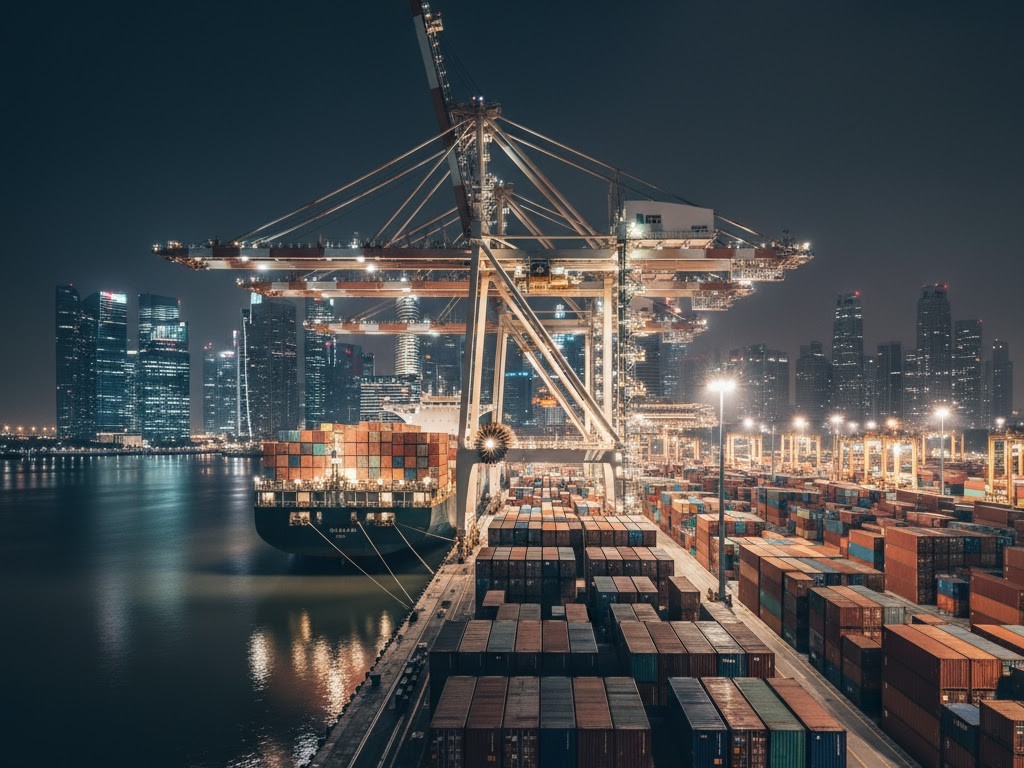
The strategic geographical location of Singapore at the crossroads of East and West contributes to its growth as a key trading hub. In order to facilitate trading business that is currently making significant contributions to the country’s economy, Singapore Customs has implemented various schemes and licences that meet different needs and requirements of traders.
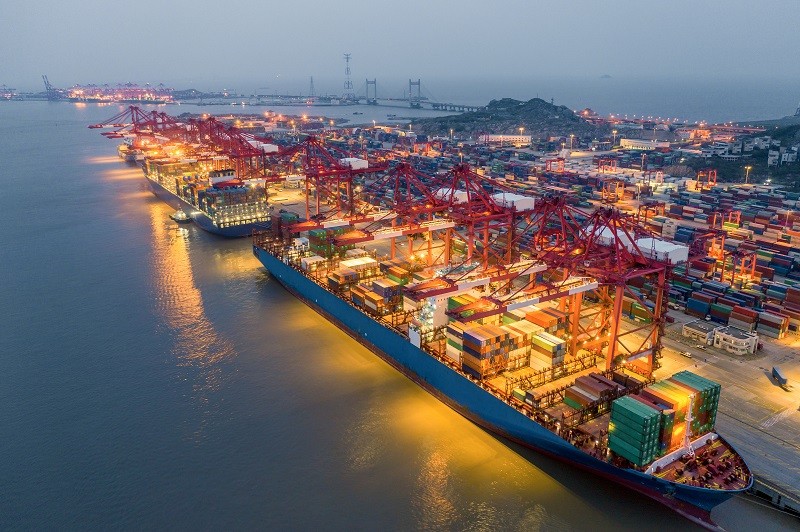
Singapore continues to strengthen its position as a global trading hub through initiatives that streamline export processes and boost trade competitiveness. With steady growth in non-oil domestic exports and strong demand for electronics and petrochemicals, government frameworks like TradeFIRST help businesses reduce costs, improve efficiency, and expand internationally.

To curb the proliferation of weapons of mass destruction (WMD), Singapore enforces strict export controls under the Strategic Goods (Control) Act (SGCA). The Act regulates the transfer, export, and brokering of strategic and dual-use goods to safeguard the global supply chain. In a recent enforcement case published by Singapore Customs, a company and its director were fined over S$250,000 for exporting strategic goods without a permit and submitting false declarations. Businesses are urged to implement strong internal controls and accurate trade declarations to ensure compliance and avoid severe penalties.

About the Author: Koh Teng Teng

The strategic geographical location of Singapore at the crossroads of East and West contributes to its growth as a key trading hub. In order to facilitate trading business that is currently making significant contributions to the country’s economy, Singapore Customs has implemented various schemes and licences that meet different needs and requirements of traders.
Singapore continues to strengthen its position as a global trading hub through initiatives that streamline export processes and boost trade competitiveness. With steady growth in non-oil domestic exports and strong demand for electronics and petrochemicals, government frameworks like TradeFIRST help businesses reduce costs, improve efficiency, and expand internationally.