
by Koh Teng Teng
Share
Share
by Koh Teng Teng
Share
Businesses importing, exporting or transhipping goods through Singapore may need to complete several Customs requirements before commencing their trading activities.
The process does not necessarily begin with applying for a specialised Customs licence. For most businesses, the first steps are obtaining a Unique Entity Number (UEN), activating a Singapore Customs Account and determining the permits required for their goods and transactions.
Additional licences or facilitation schemes may apply depending on the nature of the goods, warehousing arrangements and business activities.
Understanding the difference between Customs registration, TradeNet permits, TradeFIRST and specialised Customs schemes can help businesses establish the correct requirements from the outset.
Who Needs to Register With Singapore Customs?
Businesses that intend to engage in import or export activities in Singapore generally need to activate a Customs Account.
This includes declaring entities such as importers, exporters, shipping agents, air cargo agents, freight forwarders and other businesses intending to obtain Customs permits, licences, certificates or approvals.
Before activating a Customs Account, the entity must first be registered with the Accounting and Corporate Regulatory Authority (ACRA), or the relevant UEN issuance agency, and obtain a UEN.
Customs Account activation itself does not require payment of a fee to Singapore Customs.
How Singapore Customs Registration Works
For a business beginning import or export operations, the process can generally be broken down into several stages.
Step 1: Obtain a UEN
The business must first register with ACRA or the relevant UEN issuance agency and obtain a Unique Entity Number.
The UEN identifies the entity when dealing with Singapore Customs and other government agencies.
Step 2: Activate the Customs Account
After obtaining a UEN, the business can activate its Customs Account.
Only the entity’s Key Personnel, such as an owner, partner or director whose details are registered with ACRA or the relevant UEN issuance agency, can activate the account.
Singapore Customs generally notifies applicants of the outcome within four working hours where supporting documents are not required. Where supporting documents are required, the standard processing time is three working days after complete documents are received.
Businesses can review the current registration requirements through Singapore Customs’ Customs Registration Overview.
Step 3: Check the Goods and Their Classification
Before applying for a permit, businesses should determine the classification and regulatory status of their goods.
This includes establishing:
- the appropriate Harmonised System (HS) code;
- whether the goods are dutiable;
- whether the goods are controlled or prohibited;
- whether another Competent Authority’s approval is required; and
- whether the goods are strategic goods subject to additional controls.
Correct classification is important because it can affect duties, GST, permit requirements and other regulatory obligations.
Step 4: Apply for the Required Customs Permit
Import, export and transhipment permit applications are generally submitted electronically through TradeNet, Singapore’s National Single Window for trade declarations.
Businesses can appoint a Declaring Agent to submit permit applications on their behalf.
A business that wants to submit its own permit declarations must register as a Declaring Agent and obtain the appropriate TradeNet access.
Activating a Customs Account therefore should not be confused with obtaining a Customs permit. The account allows the entity to transact with Singapore Customs, while permits authorise specific import, export or transhipment transactions.
What Is TradeNet?
TradeNet is Singapore’s electronic National Single Window for trade declarations.
It provides a central platform through which Singapore’s trade and logistics community can submit regulatory declarations relating to imports, exports and transhipments.
TradeNet is used for applications including:
- import permits;
- export permits;
- transhipment permits; and
- Certificates of Origin.
Businesses may appoint a Declaring Agent to make declarations on their behalf. Businesses intending to submit their own declarations must meet the applicable requirements for registration as a Declaring Agent.
What Is TradeFIRST?
TradeFIRST stands for Trade Facilitation and Integrated Risk-based System.
It is Singapore Customs’ integrated assessment framework for evaluating companies applying for Customs schemes and licences.
TradeFIRST is not simply a general Customs registration requirement. It becomes particularly relevant when a company wants to participate in a Customs scheme or obtain a licence that requires TradeFIRST assessment.
Singapore Customs classifies companies into five facilitation bands:
- Basic;
- Standard;
- Intermediate;
- Enhanced; and
- Premium.
The level of facilitation and the schemes or licence types available to a business can depend on the band achieved.
TradeFIRST assesses areas such as the company’s internal controls, record keeping, compliance, security and operational procedures. Scheme-specific requirements may also apply.
Higher levels of facilitation generally require businesses to demonstrate stronger systems, controls and compliance standards.
Singapore Customs Warehousing and Storage Schemes
Businesses storing imported goods may need to consider different Customs schemes depending on whether the goods are dutiable or non-dutiable.
Licensed Warehouse Scheme
The Licensed Warehouse (LW) Scheme applies to approved businesses storing imported dutiable goods.
Dutiable goods in Singapore include categories such as:
- liquor;
- tobacco;
- motor vehicles;
- petroleum products; and
- biodiesel blends.
Duty and GST are suspended while qualifying goods remain within the licensed warehouse.
The Licensed Warehouse Scheme has different licence types with increasing levels of facilitation and internal-control requirements. The applicable TradeFIRST band depends on the licence type.
Zero-GST Warehouse Scheme
The Zero-GST Warehouse Scheme (ZGS) is designed for imported non-dutiable goods.
GST is suspended while qualifying goods remain within the licensed Zero-GST Warehouse and generally becomes payable when the goods are removed for local use.
Unlike a Licensed Warehouse, the ZGS does not suspend customs duty because the scheme applies to non-dutiable goods.
The scheme has different licence types, with progressively higher requirements relating to internal controls, record keeping and TradeFIRST banding.
Air Store Bond Scheme
The Air Store Bond Scheme supports approved businesses storing dutiable liquor intended for supply to airlines operating from Changi Airport.
Duty and GST can be suspended while qualifying goods are stored under the scheme.
Duty-Free Shop Scheme
The Duty-Free Shop Scheme applies to approved businesses selling dutiable goods duty-free to eligible travellers.
Businesses must satisfy the applicable Singapore Customs licensing and operational requirements.
Apex Licence
The Apex Licence is intended for existing Singapore Customs licensees that hold multiple licences for diverse warehouse operations.
Instead of maintaining separate licences, an approved company can operate under a consolidated Apex Licence.
To qualify, a business must meet requirements including having more than one existing Singapore Customs licence, maintaining good compliance records and operating an appropriate computerised inventory system.
The company must also undergo TradeFIRST assessment and attain the Premium band.
Other Industry and Commodity Schemes
Singapore Customs administers additional schemes and licences for businesses carrying out particular activities or handling specific goods.
Container Freight Warehouse Licence
A Container Freight Warehouse licence allows approved logistics operators to conduct bulk-breaking and consolidation activities for Less than Full Container Load cargo outside a Free Trade Zone.
Only non-dutiable, non-controlled and non-strategic goods may be stored in these facilities.
This should be distinguished from a Zero-GST Warehouse, which is primarily intended for the storage of non-dutiable goods with GST suspended.
Excise Factory Scheme
Businesses manufacturing dutiable goods may require an Excise Factory licence.
The scheme allows approved businesses to manufacture and store dutiable goods with excise duty and GST suspended subject to applicable conditions.
Industrial Exemption Factory Scheme
The Industrial Exemption Factory Scheme applies to approved manufacturers using dutiable materials to manufacture non-dutiable finished goods.
Specific eligibility, operational and Customs requirements apply.
Schemes for Controlled and Strategic Goods
Some businesses face additional requirements because of the nature of the goods they handle.
Strategic Trade Scheme
Businesses involved in the export, transhipment or transmission of strategic goods or related technology may need to consider Singapore’s strategic goods control requirements.
The Strategic Trade Scheme includes arrangements such as bulk permits for qualifying businesses with frequent transactions or short lead times involving pre-approved strategic goods.
Kimberley Process Certification Scheme
Businesses importing or exporting rough diamonds are subject to the Kimberley Process Certification Scheme.
Applicable licensing, permit and certification requirements must be satisfied before relevant transactions are conducted.
Chemical Weapons Convention Requirements
Businesses handling chemicals regulated under Singapore’s Chemical Weapons Convention framework may be subject to licensing, declaration and other regulatory requirements depending on the chemicals and activities involved.
Petroleum and Biodiesel Blends Licences
Businesses manufacturing petroleum products or biodiesel blends may also be subject to specific Customs licensing requirements.
Import and Export Facilitation Schemes
Singapore Customs also administers schemes designed to facilitate particular types of trade.
These include:
- Bonded Truck Scheme;
- Cargo Agent’s Import Authorisation Scheme;
- Consolidated Declaration;
- Major Exporter Scheme;
- Import GST Deferment Scheme;
- Secure Trade Partnership and STP-Plus; and
- Temporary Import/Export Scheme.
The appropriate scheme depends on the company’s activities, goods, trade flows and eligibility.
Businesses should therefore avoid applying for a scheme simply because it appears to offer tax or administrative benefits. The eligibility criteria and operational obligations should first be assessed against the company’s actual activities.
Customs Account, Permit or Licence: What Does Your Business Need?
These terms are sometimes used interchangeably, but they serve different purposes.
A Customs Account allows an entity to transact with Singapore Customs and is generally required for businesses engaging in import or export activities.
A Customs permit relates to a particular import, export or transhipment transaction and is generally submitted through TradeNet.
A Customs scheme or licence applies where a business wants to conduct specific regulated activities or benefit from particular Customs arrangements, such as operating a licensed warehouse or storing imported non-dutiable goods under GST suspension.
A business may therefore require a Customs Account and transaction permits without necessarily requiring one of the specialised Customs licences discussed above.
What Should Businesses Consider Before Applying?
Before applying for a Customs scheme or licence, businesses should assess:
- the type of goods being imported, exported, manufactured or stored;
- whether the goods are dutiable, controlled or strategic;
- the applicable HS classification;
- warehousing and storage arrangements;
- GST registration requirements;
- internal inventory and record-keeping systems;
- security controls;
- compliance history;
- whether TradeFIRST assessment is required; and
- the minimum TradeFIRST band for the relevant scheme or licence.
Certain schemes require significant operational controls and documentation. Businesses should therefore assess their readiness before beginning an application.
How Alder Corporate Services Can Help
Businesses involved in international trade may need to coordinate corporate, tax, licensing and regulatory requirements before commencing operations in Singapore.
Alder Corporate Services can assist businesses with assessing the corporate and regulatory requirements relevant to establishing their Singapore operations and coordinating appropriate applications and compliance support.
Businesses planning to establish import, export, warehousing or other trading operations in Singapore can contact Alder Corporate Services to discuss their requirements.
Frequently Asked Questions
Do I need to register with Singapore Customs to import goods?
Businesses intending to import goods into Singapore generally need a UEN and an activated Customs Account before the required import permits can be submitted through TradeNet.
Is activating a Customs Account the same as obtaining an import licence?
No. A Customs Account allows an entity to transact with Singapore Customs. Separate permits, licences or approvals may be required depending on the transaction, type of goods and activities conducted.
What is TradeFIRST?
TradeFIRST is Singapore Customs’ integrated assessment framework for companies applying for Customs schemes and licences. Companies are assessed and classified into Basic, Standard, Intermediate, Enhanced or Premium facilitation bands.
What is the difference between a Licensed Warehouse and a Zero-GST Warehouse?
A Licensed Warehouse is used for imported dutiable goods, with duty and GST suspended while qualifying goods remain in the warehouse. A Zero-GST Warehouse is used for imported non-dutiable goods, with GST suspended while qualifying goods remain in the licensed premises.
Do all importers and exporters need a TradeFIRST assessment?
No. TradeFIRST is mandatory for companies applying for Singapore Customs schemes or licences. Ordinary Customs registration and permit requirements should be assessed separately based on the company’s trading activities.
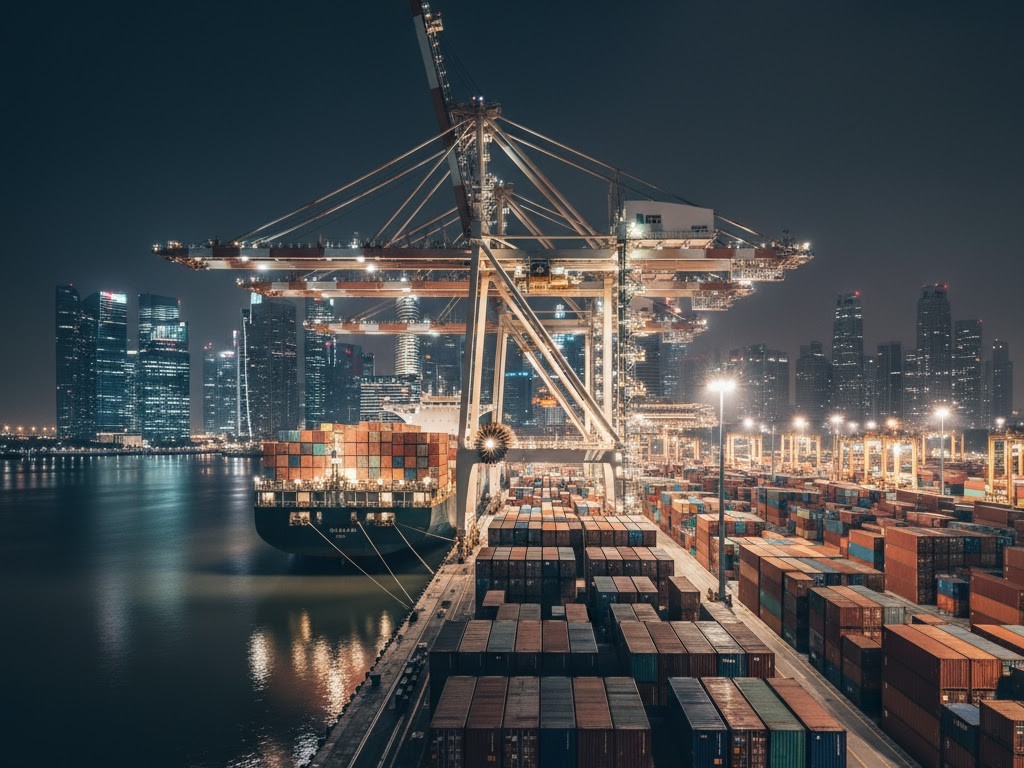
The strategic geographical location of Singapore at the crossroads of East and West contributes to its growth as a key trading hub. In order to facilitate trading business that is currently making significant contributions to the country’s economy, Singapore Customs has implemented various schemes and licences that meet different needs and requirements of traders.
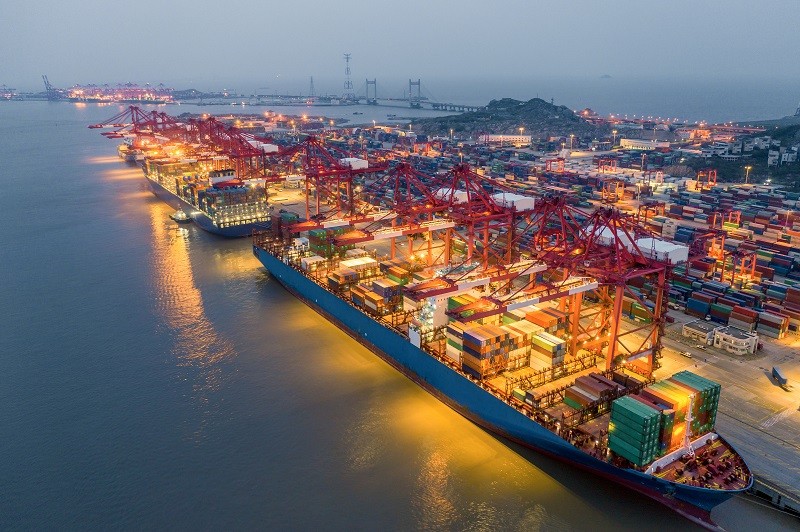
Singapore continues to strengthen its position as a global trading hub through initiatives that streamline export processes and boost trade competitiveness. With steady growth in non-oil domestic exports and strong demand for electronics and petrochemicals, government frameworks like TradeFIRST help businesses reduce costs, improve efficiency, and expand internationally.

To curb the proliferation of weapons of mass destruction (WMD), Singapore enforces strict export controls under the Strategic Goods (Control) Act (SGCA). The Act regulates the transfer, export, and brokering of strategic and dual-use goods to safeguard the global supply chain. In a recent enforcement case published by Singapore Customs, a company and its director were fined over S$250,000 for exporting strategic goods without a permit and submitting false declarations. Businesses are urged to implement strong internal controls and accurate trade declarations to ensure compliance and avoid severe penalties.

About the Author: Koh Teng Teng

Singapore continues to strengthen its position as a global trading hub through initiatives that streamline export processes and boost trade competitiveness. With steady growth in non-oil domestic exports and strong demand for electronics and petrochemicals, government frameworks like TradeFIRST help businesses reduce costs, improve efficiency, and expand internationally.
To curb the proliferation of weapons of mass destruction (WMD), Singapore enforces strict export controls under the Strategic Goods (Control) Act (SGCA). The Act regulates the transfer, export, and brokering of strategic and dual-use goods to safeguard the global supply chain. In a recent enforcement case published by Singapore Customs, a company and its director were fined over S$250,000 for exporting strategic goods without a permit and submitting false declarations. Businesses are urged to implement strong internal controls and accurate trade declarations to ensure compliance and avoid severe penalties.